Premium Care with a Personal Touch at Baldwin Family Health Care

Introduction In today’s fast-paced world, healthcare can often feel cold, rushed, and impersonal. But families in Georgia are discovering a different kind of experience at Baldwin Family Health Care. With a deep commitment to personalized treatment, compassionate care, and community wellness, Baldwin has become a standout name in regional health personal care services. Why Baldwin Family Health Care Stands Out A Legacy of Compassionate Community Service Baldwin Family Health Care is more than a clinic, it is a community anchor. For many years, this patient-first focused healthcare center has been surreptitiously changing lives, putting patient-first values in-place and reaching out to the community. Their mission is to provide quality care to anyone in need – every person, no matter their age, ability, gender or background, deserves to be treated with dignity and receive quality care. Comprehensive Services Under One Roof Whether you’re managing chronic illness, seeking preventive screenings, or needing pediatric checkups, Baldwin delivers it all in one place. The clinic offers: Each service is guided by the same core philosophy: treat the person, not just the symptoms. Personalized Patient Experience Building Real Relationships At Baldwin Family Health Care, you are more than just a name on a chart. The team puts the work into understanding their patients-the history, the preferences, the personal struggles-the works. This builds trust and a safe space for both aging patients, as well as children who need a consistent experience. Tailored Health Plans for Better Outcomes The clinic develops unique plans for patients, rather than using a cookie-cutter treatment approach. Everyone, including health history, family interaction patterns or dynamics, and lifestyle is factored into treatment plans. For instance, diabetic patients will not just receive medication, they will also get diet coaching, grocery shopping advice, and stress-relief techniques. Empowering Families with Education Health Literacy Workshops Understanding your diagnosis is half the battle. That’s why Baldwin runs regular workshops on managing conditions like asthma, hypertension, and arthritis. These sessions are free and open to the public. Guidance for Every Life Stage From parenting classes for new moms to medication safety tips for seniors, Baldwin Family Health Care provides age-appropriate education that empowers patients and their families. Integrating Technology for Modern Needs Smart Scheduling and Telehealth Patients have the ability to book appointments online, administer virtual visits and receive digital health summaries directly through a secure portal. Baldwin’s use of technology enhances both convenience and continuity of care. Electronic Health Records (EHR) All patient information is stored in a centralized system, ensuring that whether you see a physician, nurse, or therapist, everyone is on the same page. Community-Centered Healthcare Outreach and Mobile Clinics Baldwin Family Health Care actively brings personal care services to underserved areas via mobile units. These pop-up clinics offer vaccines, checkups, and even dental cleanings. Partnerships with Local Schools and Churches By working alongside local institutions, Baldwin helps families access care where they already gather. These collaborations build trust and widen healthcare access. Supporting the Whole Person Emotional and Behavioral Health Matters Baldwin acknowledges that people’s mental and emotional health are considered just as important as their physical health. Baldwin’s behavioral health team provides therapy, addiction support, stress reduction programs, and other resources that will connect and collaborate with Baldwin’s other services. Nutrition and Lifestyle Coaching Baldwin provides actual support instead of a brochure. Patients get support from health coaches by coming up with meal plans, grocery shopping within a budget, and even joining a walking club. Seamless Coordination with Private Home Care Providers Understanding that healing doesn’t end when a patient leaves the clinic, Baldwin Family Health Care has built a strong referral network with trusted private home care providers. This collaborative approach ensures that patients especially seniors, those with chronic illnesses, or individuals recovering from hospital stays receive continuous, high-quality care at home. From medication management to mobility support, Baldwin helps bridge clinical care with compassionate, in-home assistance that families can count on. 24/7 Access to Care Through Patient Portals Baldwin Family Health Care empowers patients with round-the-clock access to their health information through a secure online portal. Patients can view lab results, message their care team, refill prescriptions, and track appointments anytime, anywhere. This transparency not only increases engagement but also helps families stay on top of care plans without the stress of repeated clinic visits. For those receiving follow-up support through trusted partners like Ambitious Caregivers, this system ensures seamless communication between clinical providers and in-home care teams helping deliver truly connected, personalized care every step of the way. Conclusion: More Than Just Medical Help For families who look for care that will last, Baldwin is a place to be. Choosing Baldwin Family Health Care means a lot more than making a doctor’s appointment. It’s about finding a partner who hears you, who knows you, and who supports you through the ebbs and flows of your days. Furthermore, Baldwin Family Health Care is bringing a premium level of health care that embraces technology, community, and personal care servicesto become the new standard of care. Baldwin Family Health Care provides proof that in a world where health care feels rushed and disconnected, the best care will always be delivered with time, empathy, and personal touches in the way it is towards family. For families who are looking for long-lasting wellness and genuine connection, you are in the right place. FAQ: Baldwin Family Health Care What services does Baldwin Family Health Care provide? They offer full-spectrum care including primary medicine, women’s health, pediatric care, behavioral health, chronic disease management, and lab servicesall designed around the patient’s needs. How do they ensure personalized care? Each patient gets a personalized care plan based on his or her health history, ways of living and family needs. It is important to set simply relevant and manageable steps in order to improve outcomes and also quality of life every day. Is Baldwin Family Health Care affordable for low-income families? Yes. They offer income-based sliding scale fees, accept most insurance plans, and participate in local grant programs to
Why Private Home Care Providers Are Gaining Popularity Among Families

Introduction In recent years, many families are turning to a private home care provider instead of traditional agency care. The personal touch, flexibility, and potential cost savings are big draws. In this article, we’ll explore why this trend is gaining momentum. We’ll dive into the ins-and-outs of private home care providers, how they differ from agency providers, and why families feel more connected and comfortable with them. What Is a Private Home Care Provider? A private home care provider is usually an individual caregiver hired directly by a family, rather than through an agency. They offer non-medical support help with daily living activities, meal prep, companionship, transportation, and light housekeeping. This one-on-one, consistent care model is highly valued by those who want personalized attention for their loved ones. Why More Families Are Choosing Private Home Care Providers 1. Personalized Care & Strong Bonds One of the main reasons families prefer a private home care provider is the personalized attention. Unlike agency models where caregivers rotate, a private caregiver becomes familiar with the person’s habits, routines, likes, and dislikes. They build trust, often becoming like a close friend or part of the family something many seniors and children appreciate. 2. More Flexibility A major plus is flexibility. Families can discuss schedules directly, and adjust hours or duties without navigating agency protocols. Whether you need extra time in the morning, weekends, or nights private providers are often more accommodating. The care is tailored, not one-size-fits-all. 3. Cost Advantages Hiring a private home care provider can be more cost-effective. Agencies add administrative overheads, insurance, and markups, which increase the hourly rate. With private care, families negotiate directly with caregivers and pay only for what they need . This often results in 20–30% savings compared to agency care . Private vs. Agency: Pros and Cons Benefits of Hiring a Private Home Care Provider Challenges of Hiring Private Benefits of Agency Home Care Drawbacks of Agency Care How to Decide What’s Best for Your Family 1. Assess Your Needs Do you need simple companionship and daily tasks help, or more specialized support? For basic care, a private home care provider often makes sense. For complex medical conditions or around-the-clock needs, agency care might be safer. 2. Prepare to Handle the Administration Willing to manage payroll, taxes, and liability? If so, a private home care provider gives you flexibility and savings. Otherwise, an agency model spares you this overhead. 3. Plan for Backup Care If your caregiver calls in sick what’s your plan? Hiring a backup caregiver in advance or partnering with a registry can help ensure continuous care. 4. Verify Qualifications For private hires, conduct thorough interviews, background checks, and check references. Also consider certifications in elder care, first aid, or dementia care. Some providers may verify credentials through registries Real Family Insights From Reddit forums and family support groups, actual users share insights: “It has been wayyy better for her to have stability, routine, and activities throughout the day.” “Private caregivers can often get around $35 bucks or more an hour. … most agencies … pay less.” These real voices highlight flexibility, consistent care, and financial considerations that matter most to families. Tips to Get the Most from a Private Home Care Provider 1. Use a Caregiver Registry or Referral Service These services help match caregivers with families and often handle screenings or paperwork bridging the gap between full self-employment and agency care. 2. Create a Written Care Agreement Outline duties, schedules, pay, sick leave, holidays, confidentiality, and emergency backup care arrangements. This reduces misunderstandings and protects both parties. 3. Vet Thoroughly Check IDs, employment history, references. Consider basic testing in CPR or elder care skills. Many private caregivers invest in training to make themselves more employable . 4. Set Up Backup Care Line up a substitute caregiver or trusted friend in advance. A care “plan B” ensures no gaps when your primary caregiver is unavailable. Conclusion The shift toward a private home care provider reflects families’ desire for personalized, consistent, and affordable care. When done correctly with clear agreements, backup plans, and thorough vetting it can offer unbeatable flexibility and connection. While agencies offer professional support and backup coverage, private care beats them in cost and relationship building. For many households especially those balancing school runs, elder care, and busy schedules a private home care provider is becoming the preferred option. if you’re one of those families looking for private caregivers, proper planning will ensure smooth, secure, and caring support. Choose wisely, and you can provide truly meaningful and effective care at home. FAQs: Hiring a Private Home Care Provider 1. Can I pay a private caregiver legally without breaking labor laws? Yes but you’ll need to treat them as an official employee (payroll taxes, national insurance, contracts). Using a payroll service may simplify it. 2. What backup plans should I have in place? Either hire more than one caregiver or have a pre-arranged backup through a registry or care network prevention is key. 3. Is it safe to let an uninsured caregiver work in my home? It’s risky. Without insurance, any injury or property loss could come back to you. Consider requiring insurance or getting liability coverage. 4. Can I still use some agency services while having a private caregiver? Yes! Many families use a hybrid approach: private caregiver as primary, agency nurse or aide visits periodically for assessments.
What Services Do Personal Care Homes Provide and Why They Matter
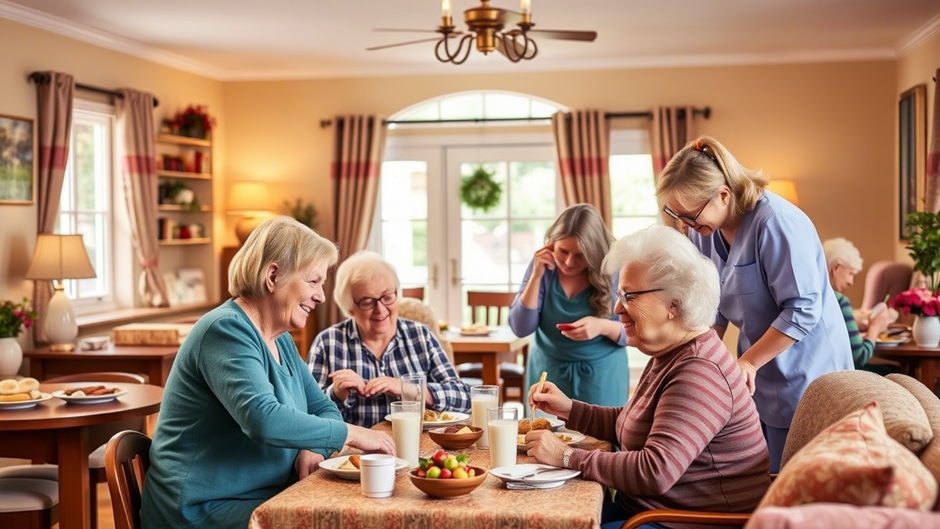
Introduction When it comes to caring for our loved ones, especially aging parents or those with disabilities, finding the right support system is crucial. That’s where personal care homes come into play. Many people have heard of them, but not everyone really understands what personal care homes provide and why they play such an important role in today’s healthcare system. Let’s dive deep into what these facilities actually offer and why choosing the right one can make all the difference for your family member’s quality of life. Understanding Personal Care Homes Personal care homes are residential facilities designed to offer assistance with daily living tasks to individuals who may not be able to live independently. Unlike nursing homes, which provide extensive medical care, these homes focus more on non-medical, day-to-day support in a comfortable, home-like setting. The services personal care homes provide are tailored to meet the unique needs of each resident. These facilities are not just about a roof and meals they’re about preserving dignity, independence, and overall well-being. What Personal Care Homes Provide: A Breakdown Assistance with Daily Living Activities One of the core services personal care homes provide is support with everyday tasks. This includes: These services are essential for individuals who struggle with routine activities due to age, illness, or disability. Medication Management Many seniors or people with chronic health conditions take multiple medications daily. The staff at personal care homes ensures the right dosages are taken at the right times. This includes: Proper medication management can prevent serious complications and improve health outcomes. Nutritious Meals and Dietary Monitoring A well-balanced diet is key to maintaining good health. The meals personal care homes provide are not only nutritious but also tailored to residents’ health conditions like diabetes, heart disease, or food allergies. Residents typically receive three meals a day, along with snacks. Special diets, including low-sodium or diabetic-friendly options, are also available. Housekeeping and Laundry Services Keeping a clean and comfortable environment is important for physical and mental well-being. Staff members take care of: This helps residents maintain dignity and reduces the stress of managing household chores. 24/7 Supervision and Safety Safety is one of the top priorities in any care setting. Personal care homes provide round-the-clock supervision to: This creates peace of mind for both residents and their families. Social and Fun Activities Loneliness is a major concern among elderly or disabled individuals. That’s why personal care homes provide engaging activities such as: These activities promote mental stimulation, happiness, and social bonding. Transportation and Escort Services For medical appointments or community visits, many personal care homes offer transportation support. Staff may also accompany residents to ensure their safety and comfort during trips. Emotional and Mental Support Along with physical care, emotional and psychological well-being is essential. Many personal care homes provide access to: This holistic approach addresses the overall needs of the residents. Why These Services Matter The services personal care homes provide don’t just make life easier they ensure individuals live with dignity, respect, and as much independence as possible. For families, these homes bring peace of mind knowing their loved ones are in a safe, nurturing environment. Moreover, personal care homes bridge a crucial gap between full independence and intensive nursing care. They allow individuals to continue living in a community while receiving just the right amount of assistance. How to Choose the Right Personal Care Home When selecting a facility, it’s important to: Remember, the goal is to find a place that feels like home, not just a care facility. The Role of Platinum Home Healthcare Services In some situations, families might look into specialized services to complement care at a personal care home. That’s where platinum home healthcare services can come in. These services offer medical and therapy-based support, often working alongside care home staff to deliver enhanced wellness. Even for residents who transition to home care, platinum home healthcare services ensure continuity, professionalism, and convenience something increasingly valuable in today’s senior care landscape. Conclusion Understanding what personal care homes provide is the first step in making the right decision for your loved ones. These homes are not just places of residence they are communities where individuals can thrive safely, respectfully, and joyfully. As the population ages, the need for such supportive environments will only grow. Families must be informed and thoughtful when choosing a care setting. After all, everyone deserves to age with grace, dignity, and the best possible quality of life. FAQs For personal care homes provide 1. What is the difference between a nursing home and a personal care home? Nursing homes provide medical care and skilled nursing support, while personal care homes provide non-medical assistance like help with bathing, meals, and medication reminders. They are more suited for individuals who need some support but not 24/7 medical care. 2. Are personal care homes covered by insurance or Medicare? Generally, personal care homes are not covered by Medicare. Some services might be paid through long-term care insurance or out-of-pocket. Always consult with the home’s administration for detailed payment options. 3. How often do staff interact with residents in personal care homes? Most personal care homes provide constant staff presence, ensuring that residents receive help whenever needed whether it’s during meals, at night, or during activities. 4. Can residents personalize their rooms in personal care homes? Yes! Residents are usually encouraged to decorate their rooms with personal items like photos, blankets, and even furniture to make the space feel like home.
Top Qualities to Look for in a Private Home Care Provider
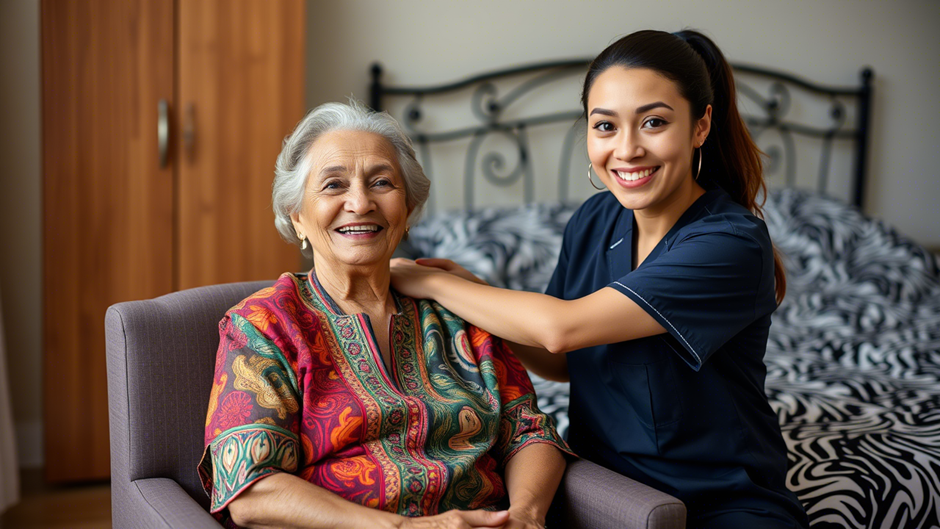
Introduction As families across the U.S. continue to prioritize comfort, safety, and independence for their aging loved ones, finding the right private home care provider has become a top priority. Whether it’s for seniors who want to age in place or for individuals recovering from illness, private care services offer an unmatched level of personalization. But what exactly should you be looking for when choosing a care provider? Let’s break it down. Why Choosing the Right Private Home Care Provider Matters Hiring a private home care provider is a deeply personal decision. This person or agency will play a critical role in your loved one’s daily life helping them bathe, dress, prepare meals, take medications, and more. The quality of this care directly affects their health, happiness, and sense of dignity. Top Qualities Every Private Home Care Provider Should Have When searching for care, don’t just settle for someone with availability. Look for these essential traits and capabilities. 1. Experience and Professional Certification A provider with solid experience in caregiving, particularly for seniors or patients with chronic conditions, is non-negotiable. They should have relevant training, CPR certification, and familiarity with mobility equipment. Equally important is whether the caregiver is insured, bonded, and background-checked especially if they’re working independently and not through an agency. 2. Personalized Care Approach Every individual is unique. The best private home care provider should tailor their services to your family member’s specific needs. Whether it’s dietary requirements, religious preferences, or preferred daily routines, they must respect and adapt to these. Personalized care builds trust and fosters emotional stability something that’s just as vital as physical health. 3. Good Communication Skills Open communication ensures the entire family is on the same page. A caregiver must be able to update family members on any changes in the patient’s health or mood, manage schedules, and even advocate for additional support when needed. 4. Compassion and Patience Providing care isn’t just a job it’s an act of empathy. Seniors may feel anxious, confused, or resistant to help, especially in the early days. A truly good caregiver shows kindness, listens actively, and is endlessly patient. Additional Services That Add Value Beyond basic assistance, some providers offer specialized services that can really make a difference. Medication Management Caregivers trained in administering medication safely can prevent dangerous errors, which is common among seniors living alone. Mobility Support Help with moving safely around the home, transfers from bed to chair, or even walking can prevent falls one of the leading causes of injury among older adults. Light Housekeeping and Meal Prep It’s often the little things that become big stressors for aging individuals. Meal planning, grocery shopping, laundry, and dishes can be handled with ease by a skilled private home care provider. Things to Watch Out For Even if someone looks good on paper, there are red flags to stay alert for: Remember, you’re not just hiring help you’re welcoming someone into your home. Trust matters. Benefits of Working with a Reputable Referral Agency Finding the perfect caregiver on your own can feel overwhelming. That’s where a referral agency for private home care comes in. These agencies pre-screen candidates, verify their credentials, and often handle payroll and scheduling too. While hiring through an agency may cost more, the peace of mind and quality control often make it worth it. Choosing Between Independent Providers and Agencies There are pros and cons to both: The decision depends on your budget, time, and personal comfort level. The Future of Private Home Care in 2025 In 2025, we’re seeing more tech-savvy caregivers, better coordination with medical providers, and improved family apps that track services in real time. Families want transparency and ease and today’s top private home care providers are rising to meet that demand. Final Thoughts Finding the right private home care provider takes time, but it’s one of the most important decisions you’ll make for a loved one’s well-being. In 2025, with so many advancements in care and a growing pool of qualified professionals, it’s never been easier to find a compassionate and reliable match. Whether you choose to work directly or go through a referral agency for private home care, make sure your choice is driven by the needs and comfort of your family member. After all, care at home isn’t just about staying out of the hospital it’s about thriving where you feel most safe and loved. FAQ: Private Home Care Providers Q1: What’s the difference between a private home care provider and a nurse? A private home care provider helps with daily tasks like bathing, dressing, and companionship. Nurses, on the other hand, provide medical care such as injections, wound care, and monitoring vital signs. Q2: Can I hire a private caregiver without going through an agency? Yes, but it requires you to manage background checks, payroll, and scheduling. A referral agency for private home care can simplify this process. Q3: Are private caregivers covered by insurance? Sometimes. Medicaid or long-term care insurance may cover some services, but private payments are more common for non-medical care. Q4: What should I ask during the first interview? Ask about their experience, training, availability, and references. Also discuss your loved one’s specific needs and gauge how they respond.
What Makes Skilled Nursing Care Different from Home Health Care?
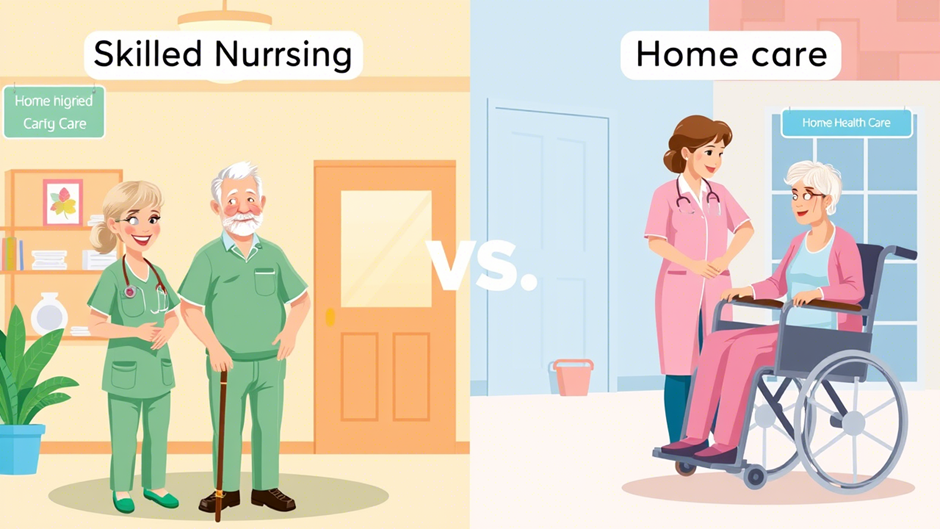
Introduction When it comes to healthcare at home, people often confuse skilled nursing care with home health care. But honestly, there’s a pretty big difference between the two. Both are essential for maintaining a person’s health and comfort, especially for seniors or those recovering from surgery or managing chronic conditions. Yet, the type of services, the qualifications of caregivers, and even how care is delivered vary a lot. Let’s break it down so it’s easy to understand and help you figure out which one may be right for your loved ones or even for yourself someday. Understanding Skilled Nursing Care What Is Skilled Nursing Care? Skilled nursing care refers to a high level of medical care provided by trained registered nurses (RNs) or licensed practical nurses (LPNs). This kind of care is usually prescribed by a doctor and is meant for people who require medical attention that cannot be provided by family or general caregivers. This type of care often includes: Platinum Home Health Care is often provided in nursing homes, rehab centers, or right in a patient’s own home through specialized agencies. Who Needs Skilled Nursing Care? Not everyone needs this level of attention, but if someone is recovering from major surgery, dealing with a serious illness, or living with conditions like stroke, cancer, or heart failure, they might. Some of the most common patients include: What Is Home Health Care? A Broader Category of At-Home Support Home health care is a much broader term. It covers medical and non-medical services provided at home to help someone recover or maintain their health. Services include physical therapy, occupational therapy, speech therapy, and even assistance with daily activities. Unlike skilled nursing care, home health care might also include support from certified nursing assistants (CNAs), therapists, or even social workers. Services Typically Include: Key Differences Between Skilled Nursing Care and Home Health Care Level of Medical Attention It is intensive and requires registered medical professionals. Home health care may include medical and non-medical assistance, and it’s not always supervised by a doctor. Duration and Frequency Skilled nursing care may be required daily or around the clock, especially after hospitalization. Home health care, on the other hand, can be more flexible and scheduled based on the client’s routine and needs. Cost and Insurance Coverage Most insurance plans, including Medicare, cover both to some extent, but They usually comes with more stringent medical requirements. It may be more expensive due to the clinical nature of the services. Environment of Care While both can happen at home, skilled nursing is also commonly provided in specialized facilities. Home health care typically happens in the comfort of the person’s residence and focuses more on quality of life. The Role of Private Duty Nursing Services in Pediatric Services A special area where Private Duty Nursing Services really stands out is in pediatric nursing services. Children with serious conditions like neurological disorders or genetic illnesses may require constant medical monitoring that only skilled nurses can provide. In such cases, care often involves: This is not something just anyone can do. It requires specialized training and compassion. How Private Caregivers Fit Into the Picture While private caregivers play a crucial role in personal care, they usually aren’t equipped to handle medical tasks like wound care or administering IVs. They are great for companionship, help with hygiene, meal prep, light housekeeping, and medication reminders. That said, many families combine Platinum Home Health Care with services from private caregivers to ensure comprehensive care for their loved ones. When Should You Choose Skilled Nursing Care? Here are a few scenarios where skilled nursing care is the best choice: Conclusion Choosing between nursing care and home health care can be confusing, but understanding the differences makes it easier to decide what’s best for your situation. If your loved one needs medical support at a professional level especially involving medication, wound care, or recovery from surgery Platinum Home Health Care is likely the better option. In contrast, when someone simply needs help staying safe and comfortable at home, then home health services or assistance from private caregivers may be enough. In the last 300 words of this blog, we also want to point out that blending services is often the most effective solution. For example, families dealing with both complex medical issues and daily living needs often combine skilled nursing care with private caregivers and even support from specialized pediatric nursing services to cover all the bases. At the end of the day, every family’s situation is different. Make sure you consult with healthcare providers or licensed care agencies to get the best combination for your loved ones. FAQs About Skilled Nursing Care 1. What qualifications do skilled nursing care providers have? Skilled nurses are RNs or LPNs with state certification and clinical experience. Many also have additional training in areas like wound care or post-operative recovery. 2. Can skilled nursing care be provided at home? Yes, many agencies offer nursing care at home, especially for patients who are recovering from hospital stays but don’t need to be readmitted. 3. What’s the difference between skilled nursing care and private caregiving? Private caregivers help with daily living tasks and companionship. nursing care is clinical and involves tasks like medication administration, wound care, and more complex medical needs. 4. Are skilled nursing services available for children? Yes. Many agencies offer specialized pediatric nursing services that fall under skilled care, tailored for children with chronic or complex health needs.
Why Families in 2025 Are Choosing Personal Care Homes Over Nursing Homes
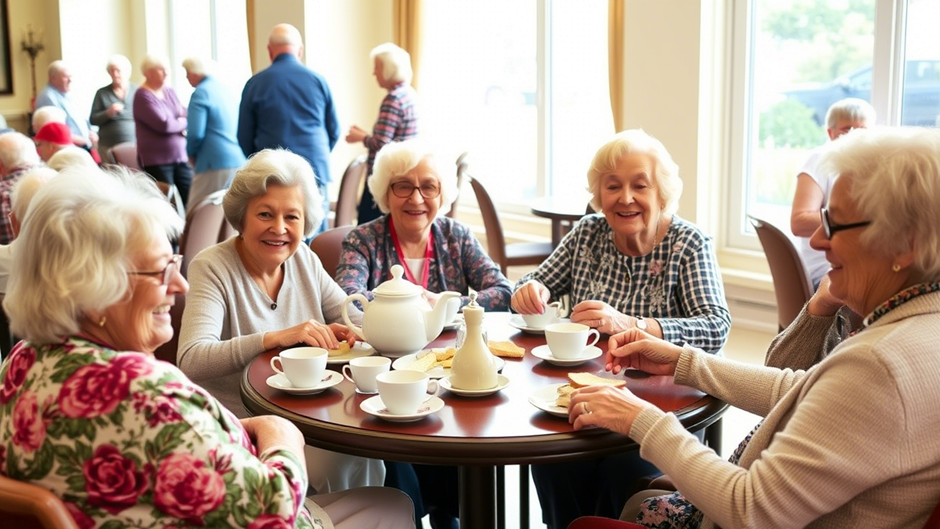
Introduction In 2025, families across the U.S. are seriously rethinking how they care for their aging loved ones. With a growing demand for more personalized, dignified, and comfortable living options, the personal care home has quickly emerged as a preferred choice over the more traditional, institutional feel of nursing homes. But what’s really behind this noticeable shift? Why are so many people turning to this more homelike model of care for their parents, grandparents, and elders? The answer lies in the changing needs and expectations of today’s seniors who want more than just medical supervision. They want independence, warmth, meaningful social connections, and above all, a place that feels like home. Let’s break it down together so you can better understand whether a personal care home might be the right, compassionate decision for your family too. What Is a Personal Care Home? This is a residential care setting that provides assistance with everyday tasks like bathing, dressing, eating, and taking medications. Unlike nursing homes, which focus on around-the-clock medical care, private care homes prioritize comfort, independence, and dignity while offering essential support. How It Differs from a Nursing Home Why Are Personal Care Homes Gaining Popularity? 1. A More Homelike Environment Traditional nursing homes often have an institutional feel. In contrast, a personal care home offers a cozy, welcoming setting. Residents live in private or semi-private rooms, eat meals together in a dining area, and enjoy shared living spaces that encourage interaction and community. 2. Personalized Attention Staff at can usually provide more individualized care because of the smaller resident population. That means caregivers really get to know your loved one what they like, what they need, and how to support them best. 3. Cost-Effective Compared to Nursing Homes One of the most talked-about benefits of a personal care home is affordability. While the exact cost depends on the services provided and location, private care homes are generally less expensive than nursing homes, especially those offering 24/7 medical services. 4. Better Emotional Wellbeing for Seniors Seniors thrive when they feel like they belong somewhere. The smaller, family-like setting of private care homes helps reduce feelings of loneliness and depression. Regular activities, outings, and social connections help boost morale and mental health. When Is a Personal Care Home the Right Choice? Choosing the right kind of care isn’t easy. You might want to consider a private care home if your loved one: Integrating Home Health Care Solutions in Personal Care Homes As families look for more complete care without giving up the comfort of home, many personal care homes now integrate home health care solutions. This blend offers the best of both worlds: support for daily activities and access to professional healthcare services when needed. Benefits of Combining Both: The Future of Elderly Care Is Changing The aging population is growing fast. According to AARP, by 2030, 1 in 5 Americans will be over the age of 65. That means more families will have to make decisions about long-term care. With rising costs and shifting preferences, the private care home model offers a balanced, compassionate, and practical solution. Conclusion It stands to reason that by the year 2025, the private care home is no longer an afterthought it’s the initial choice families are gravitating toward. The mix of comfort, affordability, and custom attention is too tempting to ignore. Add the benefit of home health care integration, and it’s easy to see why these homes are changing the way we give care to our older loved ones. If you desire a setting for care that maintains the dignity of your loved one while also offering more than basic clinical service, This is perhaps the best choice. Frequently Asked Questions (FAQ) 1. What services are provided in a personal care home? It’s offer help with bathing, grooming, medication reminders, meal preparation, and light housekeeping. Some may also offer transportation, recreational activities, and social engagement programs. 2. Can a personal care home accommodate someone with dementia? Yes, many personal care homes are equipped to care for individuals with Alzheimer’s or other forms of dementia, although the level of care varies by facility. It’s important to ask about staff training and safety protocols. 3. How is a personal care home different from assisted living? The terms are sometimes used interchangeably, but assisted living communities are usually larger and may offer a broader range of services. This is typically smaller and more intimate, often operating in a residential house. 4. How do I know if a personal care home is the right fit? Tour the facility, talk with staff, observe how residents are treated, and ask questions. Be clear on your loved one’s needs and see if the services offered align with those.
The Best Home Health Services Offered by Ambitious Caregivers

Introduction When it comes to caring for your loved ones, only the best will do. Whether you’re looking after an aging parent, a child with special needs, or a recovering family member, finding trustworthy Best Home Health Services can be tough. That’s why Ambitious Caregivers in Georgia is quickly becoming the go-to solution for families who want compassionate, professional care without leaving the comfort of home. In this article, we’re diving deep into what makes Ambitious Caregivers a standout in the home care industry. From medical support to emotional companionship, their wide range of Best Home Health Services provides peace of mind to families throughout the region. Why Choose Ambitious Caregivers for Home Health Services? A Personalized Approach to Home Care No two people are the same, and neither are their health needs. Ambitious Caregivers understands this better than most. Their Best Home Health Services are carefully tailored to each client. From creating custom care plans to assigning the right caregiver, they work with families to make sure every box is checked. Qualified and Compassionate Caregivers Hiring for skill is important, but heart matters too. Ambitious Caregivers screens and trains their staff to not only meet medical standards but also to provide companionship, empathy, and patience. This human-first approach is what sets their Home Health Services apart. Flexibility That Works for You Whether you need 24/7 care or just a few hours a day, they offer flexible scheduling to fit around your life. Families appreciate how easy it is to scale care up or down based on changing needs. Types of Home Health Services Available Skilled Nursing Care From medication management to post-surgical recovery, their skilled nursing team is trained to handle a wide range of medical tasks at home. These Home Health Services ensure that patients receive hospital-level care without the stress of a clinical setting. Pediatric Nursing Parents of medically fragile children can rely on Ambitious Caregivers for consistent, loving care. Their pediatric nurses specialize in conditions like cerebral palsy, respiratory issues, and feeding tube management, making them one of the best pediatric nursing services in the area. Personal Care Assistance For those who need help with daily tasks like bathing, dressing, and grooming, personal care aides provide discreet and respectful support. It’s about maintaining dignity while offering essential assistance. Companionship and Respite Care Sometimes, what’s needed most is simply someone to talk to. Companion caregivers help reduce loneliness and provide emotional support, while respite care gives family caregivers a much-needed break. Technology Meets Compassion Ambitious Caregivers stays ahead of the curve by incorporating technology into their Best Home Health Services. Whether it’s digital records, real-time caregiver updates, or virtual consultations, they’re always exploring ways to improve the caregiving experience. Trusted by the Community One of the reasons why Ambitious Caregivers stands out is because of their local roots. As a trusted provider of Best Home Health Services, they’ve built long-lasting relationships with families, hospitals, and local healthcare providers in Georgia. GAPP Home Care Services: Helping Kids with Complex Needs Through the Georgia Pediatric Program (GAPP), Ambitious Caregivers also delivers essential GAPP Home care services. This state-funded program allows medically fragile children to receive nursing care at home, helping families avoid extended hospital stays. Their knowledge of how to navigate GAPP makes them a top choice for families seeking reliable pediatric home care. Conclusion Choosing a home health care provider is one of the most important decisions a family can make. With their commitment to quality, compassion, and community, Ambitious Caregivers continues to lead the way in Home Health Services. Whether it’s elder care, skilled nursing, or GAPP Home care services, they bring warmth and reliability into every home they enter. And for those needing specialized pediatric care, you’ll find they truly offer some of the best pediatric nursing services available today. If you’re searching for care that puts your loved ones first, look no further. Ambitious Caregivers might just be the perfect partner on your caregiving journey. FAQs About Home Health Services 1. What types of conditions are covered by home health care? Home health care can assist with a range of issues like chronic illnesses, recovery from surgery, developmental disabilities, or mobility challenges. Each care plan is customized to meet the individual’s needs. 2. Are home health services covered by insurance? Yes, many services are covered under Medicaid, Medicare, or private insurance. The team at Ambitious Caregivers can help you figure out what’s covered. 3. How do I know if my child qualifies for GAPP Home Care Services? Children with medical complexities who need skilled nursing may qualify. Ambitious Caregivers offers consultations to walk families through the application process. 4. What makes pediatric care different from adult home care? Pediatric home care involves specialized training for caregivers. It includes more communication with pediatricians, managing school schedules, and understanding childhood-specific conditions.
Top Personal Care Services Every Senior Should Know About in 2025

Introduction As we move through 2025, the needs of our aging population are evolving quickly. Seniors are living longer, and many prefer to remain in their homes rather than move to nursing facilities. This shift has led to a boom in Personal Care Services, offering support for older adults to live independently with dignity and comfort. From basic hygiene to companionship, these services are not just a luxury they’re essential. In this article, we’ll break down the top Personal Care Services seniors should be aware of in 2025 and how these services make life easier, safer, and more fulfilling. What Are Personal Care Services? Understanding the Basics Personal Care Services refer to non-medical support provided to individuals who need help with daily activities. These services are particularly helpful for seniors dealing with age-related limitations such as reduced mobility, memory issues, or chronic health conditions. Why They’re Crucial in 2025 As the senior population continues to grow, the demand for Private care is skyrocketing. Families are seeking trusted care providers who can not only assist with physical needs but also offer emotional companionship. Top Personal Care Services for Seniors in 2025 1. Assistance with Daily Living (ADLs) Activities like bathing, dressing, grooming, and toileting are known as Activities of Daily Living. Many seniors struggle with these, and support can make a massive difference. 2. Meal Preparation and Nutrition Support Many seniors can’t prepare balanced meals. Caregivers can help with cooking, meal planning, and even feeding assistance when needed, ensuring seniors get proper nutrition. 3. Medication Reminders Although they can’t administer medications (that’s for licensed nurses), personal care aides can remind seniors to take their prescribed medications on time avoiding health issues due to missed doses. 4. Mobility Assistance From walking support to transfers from bed to wheelchair, Private care help reduce fall risks and promote independence. 5. Companionship and Emotional Support Loneliness is one of the most silent health risks among seniors. Having a caregiver around for conversation, games, or just companionship has been proven to boost mood and cognitive function. 6. Light Housekeeping and Laundry Caregivers can assist with maintaining a clean and safe environment helping with dusting, vacuuming, and even laundry, so seniors don’t have to stress about it. 7. Transportation Services Though not traditionally considered part of Private care, many agencies now offer transportation to doctor’s appointments, grocery stores, or social activities as part of a care plan. 8. Specialized Dementia and Alzheimer’s Care Some Private care in 2025 are tailored specifically for those with memory impairments ensuring safety, routines, and mental stimulation throughout the day. Choosing the Right Personal Care Provider What to Look For Ask These Questions How Technology Is Enhancing Personal Care Services The integration of technology has made Personal Care Services more effective and safer. Here are some examples: This high-tech support blends seamlessly with human care, ensuring seniors get the best of both worlds. When to Consider Cosmetology You might consider these services if: Starting earlier can often prevent more serious health or emotional issues down the road. Conclusion In 2025, the importance of Personal Care Services is more prominent than ever. With longer life expectancy and a strong preference for aging in place, seniors and their families are actively seeking reliable, compassionate, and flexible care solutions. Whether it’s help with grooming, companionship, or household chores, these services provide seniors the support they need to live safely and joyfully. Choosing the right care begins with knowing your options and asking the right questions. And let’s not forget, many seniors benefit most when they’re paired with Private care those who go above and beyond to deliver not just care, but also friendship, respect, and dignity. As the world changes, the heart of caregiving stays the same. If you’re planning for a loved one or even for yourself, now’s the time to explore how Ambitious Caregivers can enrich daily life and ensure peace of mind for everyone involved. FAQs About Personal Care Services in 2025 1. Are Personal Care Services covered by insurance? It depends. Most long-term care insurance plans offer partial coverage. Medicaid may also help, but regular health insurance usually does not. 2. What’s the difference between personal care and home health care? Personal Care Services focus on non-medical tasks like bathing and dressing. Home health care involves medical services like wound care or physical therapy, provided by licensed professionals. 3. Can I customize the level of care for my parent? Yes! Most agencies now offer customizable care plans tailored to the needs, schedules, and personalities of both seniors and their families. 4. How often should a personal care aide visit? It depends on the needs. Some seniors require daily support, while others may only need help a few times a week.
The Best Ways to Combine Child Care and Elderly Care Under One Roof
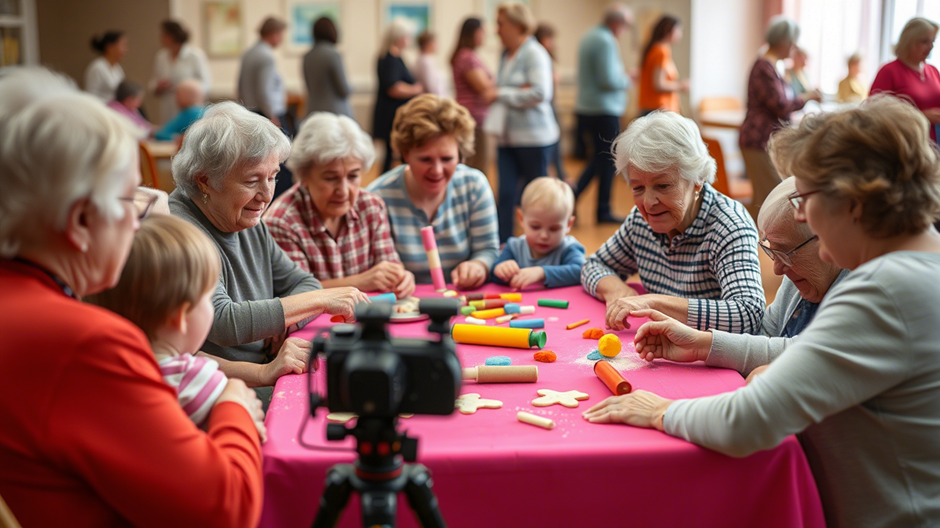
Introduction In today’s fast-paced world, families often find themselves juggling responsibilities for both the young and the old. With aging parents and young kids in the same household, managing care for both can be tough. But there’s a growing trend that makes life easier combining Child Care and elderly care under one roof. This approach not only saves time and money but also creates a strong family bond. And with proper planning, the model works beautifully. In this article, we’ll explore the best ways to integrate Child Care and senior support services while keeping everyone happy, safe, and well-cared for. Why Combine Child Care and Elderly Care? Rising Demands on Modern Families Today’s families face unique challenges. With more dual-income households and multi-generational living becoming common, parents often find themselves stretched between daycare runs and attending to aging parents. Combining Child Care and elderly care under one roof can simplify life. It helps streamline routines, reduce costs, and ease daily stress. Emotional and Social Benefits Beyond convenience, this setup also brings emotional perks. Kids get more love, patience, and wisdom from seniors, while older family members feel valued and connected. Grandparents often feel a renewed sense of purpose, and children learn empathy, respect, and understanding of aging something no classroom can teach. Planning a Combined Care Approach Assessing Individual Needs The first step is to understand the unique needs of each age group. Children usually need structured Child Care routines filled with learning, play, and socialization. Seniors, on the other hand, might need help with mobility, reminders for medications, or just companionship. Matching the right support to each group is crucial. Customizing a Shared Routine It helps to create a routine that includes everyone. Here’s a simple example: Having a rhythm to the day can help reduce confusion, support consistency, and build stronger relationships. Setting Up the Right Home Environment Creating Safe Zones Your home needs to be safe and accessible for both toddlers and seniors. This could mean child-proofing electrical outlets, installing non-slip rugs, or setting up handrails for seniors. Small changes make a big difference in ensuring safety and comfort for all. Shared vs. Private Spaces Some spaces, like the living room or kitchen, can be shared by everyone. But private areas—like nap rooms or bathrooms should be adapted to meet the specific needs of each group. For example, kids may need cribs or colorful play areas, while elders might need adjustable beds or a chair in the shower. Activity Corners Designate small areas in your home for different purposes: Hiring Help or Outsourcing Care Dual-Skilled Caregivers If you need help managing both age groups, consider hiring professionals trained in both Child Care and elder support. These multi-skilled caregivers can handle tasks more efficiently and ensure consistent care. Rotational Help If one person can’t manage both, organize care by shift morning for kids, evening for elders, or vice versa. Consistent communication between caregivers is key to preventing burnout and confusion. Emotional Management and Communication Talking with Kids Children may find it hard to understand why grandma moves slowly or forgets things. Honest, age-appropriate conversations can help. Explain what’s happening and involve them in small, safe caregiving tasks to build empathy. Listening to Seniors Older adults might feel overlooked or frustrated by the hustle and bustle of young children. Be patient. Listen to their concerns and try to accommodate their routines and preferences when possible. Using Technology for Smarter Care Monitoring Tools Smart home gadgets like baby monitors and medical alert systems can help keep everyone safe. You can track sleep, movement, and even remind elders about their medications using these tools. Digital Schedulers Apps that manage feeding times, naps, medications, and appointments are a lifesaver when juggling care for two age groups. Age-Friendly Entertainment Use smart TVs or tablets to offer customized entertainment. Kids can enjoy educational videos, while seniors might prefer music, documentaries, or relaxing shows. When to Consider Outside Help Managing two care responsibilities can be overwhelming, and that’s okay. Consider external support if it becomes too much: Balancing everything doesn’t mean doing it alone. These services can help you breathe while ensuring both generations are well looked after. Conclusion Managing a household with both children and aging parents is no easy task. But when done right, combining Child Care and elderly care under one roof can be a game-changer. It promotes bonding, reduces stress, and even makes financial sense. As family dynamics continue to evolve in 2025, more people are turning to creative solutions that blend tradition and practicality. Whether it’s through shared routines, trained caregivers, or external support like Personal Care Services, the goal is the same: a balanced, nurturing environment for everyone. When families are backed by love, structure, and yes even a bit of help from Elderly Care professionals or tech miracles can happen under one roof. FAQs About Combining Child Care and Elderly Care 1. Is it safe to have young children and elderly under the same roof? Yes, with proper planning and safety measures, it’s completely safe and beneficial. 2. How can I keep both entertained and engaged? Create joint activities like storytelling, puzzles, or cooking simple meals together. 3. Do caregivers need special training for both age groups? Ideally, yes. Look for caregivers experienced in both Child Care and elder support for the best results. 4. Can this setup reduce overall care costs? Absolutely. Combining care often cuts transportation, staff, and facility expenses.
What Are the Key Differences Between Home Health Care and Personal Care Services?
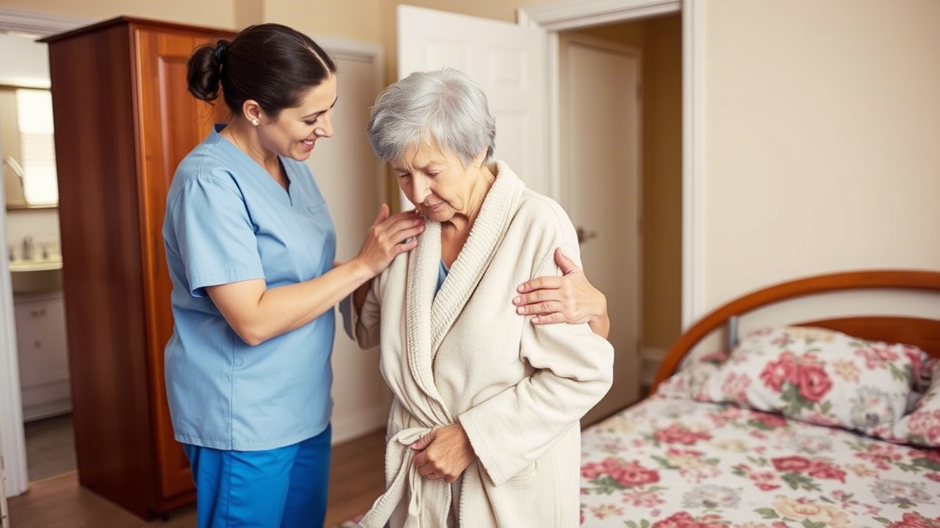
Introduction When someone you love needs extra help at home, deciding what type of care is best can be overwhelming. Two of the most common options people look into are Home Health Care and Personal Care Services. While they might sound similar, these services have important differences in terms of what they offer, who provides them, and how they’re paid for. In this article, we will explore the main distinctions between Home Health Care and Personal Care Services so you can make the most informed decision for your family. What Is Home Health Care? Home Health Care is a type of medical care provided at home by licensed healthcare professionals. It’s typically prescribed by a doctor and is intended for people recovering from illness, surgery, or managing chronic conditions. Services Included in Home Health Care: Who Provides Home nursing? Home nursing is administered by trained professionals such as: These caregivers follow a medical plan prescribed by a doctor and often report progress back to the physician. What Are Personal Care Services? On the other hand, Personal Care Services are non-medical services aimed at helping individuals with daily tasks they can’t do independently. These services help people maintain independence and dignity while living at home. Services Typically Included: Who Provides Individual upkeep? Care is provided by: They are not licensed to provide medical treatments but are trained to assist with daily living activities safely. Key Differences Between Home nursing and Personal Care Services 1. Medical vs. Non-Medical Care The most obvious difference is that Home nursing is clinical and requires a prescription. Personal Care Services, meanwhile, are supportive in nature and focus on comfort and independence. 2. Staff Qualifications Home Health Care professionals hold licenses and certifications. Personal Care providers may have basic care training but don’t administer medical treatments. 3. Payment Options Home Health Care is often covered by Medicare, Medicaid, or private insurance because it is considered medical care. Individual upkeep usually must be paid out-of-pocket, though some states provide Medicaid waivers or local assistance programs. 4. Purpose of Care When Do You Need Home Health Care? You might consider Home Health Care if: This kind of care is usually short-term until the patient improves or becomes stable. When Are Personal Care Services More Appropriate? Personal Care Services are ideal if: These services can be short-term or ongoing, depending on the individual’s condition. Can You Combine Both Types of Care? Yes! In many cases, a person may need both types of care. For example, someone recovering from surgery may get Recovery assistance for wound treatment and Individual upkeepfor help with bathing or getting out of bed. Combining the two ensures a holistic approach to in-home care covering both medical needs and day-to-day support. Conclusion Understanding the differences between Home Health Care and Personal Care Services can save you time, money, and unnecessary stress. While Recovery assistance provides medical treatment and monitoring at home, Individual upkeep focus on helping individuals with daily activities so they can live more independently. For families navigating long-term care options, knowing when and how to use these services can make all the difference in quality of life. Whether you’re caring for an aging parent, a loved one recovering from surgery, or simply planning for the future t’s important to understand the roles these services play. In fact, combining both Daily hygiene and Personal Care Services creates a stronger support system especially for those with complex needs. It’s about finding the right balance, one that brings peace of mind to everyone involved. So take a moment, assess the needs of your loved one, and don’t be afraid to ask questions. The right care is out there and sometimes, it starts right at home. FAQs About Home Health Care vs. Personal Care Services 1. Can Medicare cover both services at the same time? Yes, if the patient qualifies. Medicare will typically cover Recovery assistance, and in some states, Medicaid waivers may help with Personal Care Services. 2. Do I need a doctor’s prescription for personal care services? No, you can hire Personal Care Services without a physician’s order. But for Home Health Care, a doctor’s referral is required. 3. Are caregivers for both services trained the same way? No. Home Health Care workers have medical training and licensing, while Personal Care providers receive basic training in daily assistance and safety protocols. 4. Which service is better for someone with dementia? It depends. In early stages, Daily hygiene may be enough. But as the condition progresses, Home Health Care may be needed for monitoring and medical interventions.