Introduction
Caring for a loved one is never easy. Whether it’s an aging parent, a relative with a disability, or someone recovering from illness, it takes a lot of emotional and physical energy. That’s why home health care solutions have become a lifeline for many families. But what are personal care services really? And more importantly, who needs them?
In this article, we’ll break down what these services include, why they’re so crucial in today’s world, and how home health care solutions help bridge the gap between medical care and daily living support.
What Are Personal Care Services?
Basic Daily Support That Makes a Big Difference
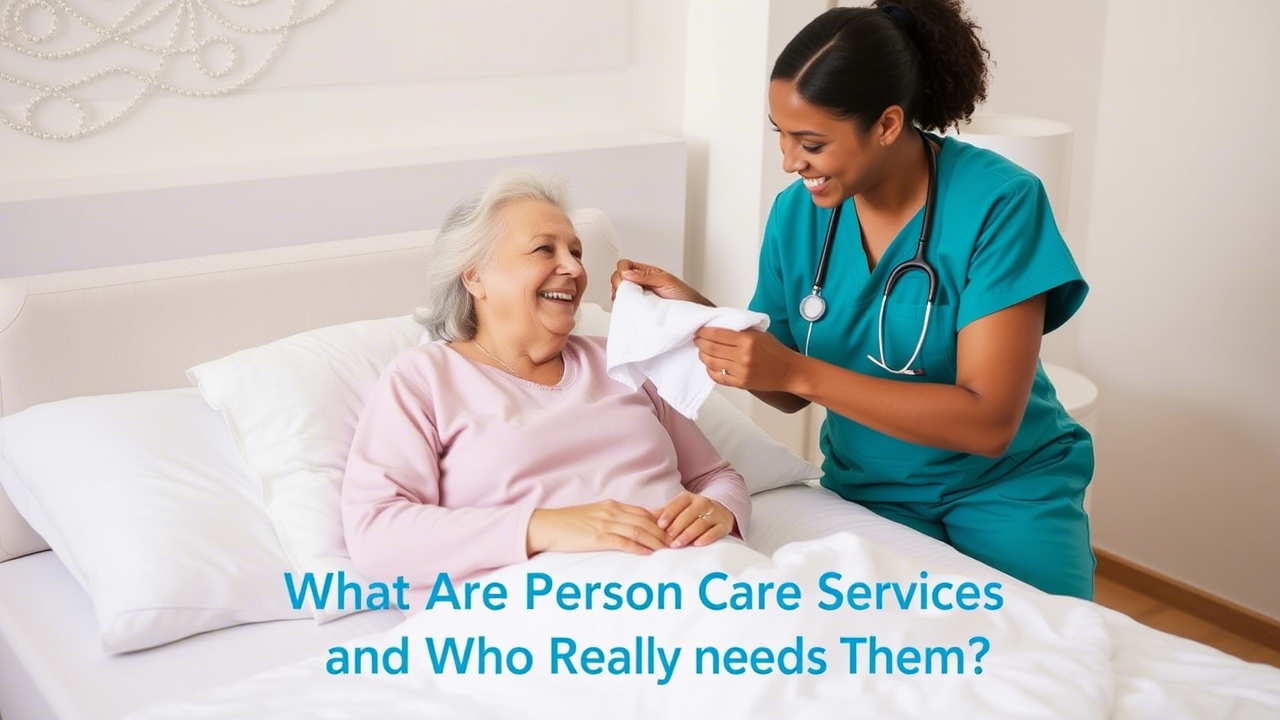
Personal care services are non-medical support services provided to individuals who need help with day-to-day activities. These services are a fundamental part of home health care solutions, especially for people who are elderly, disabled, or chronically ill.
Some of the typical personal care services include:
- Assistance with bathing and grooming
- Dressing and toileting
- Mobility support (walking or getting in and out of bed)
- Meal preparation and feeding help
- Light housekeeping and laundry
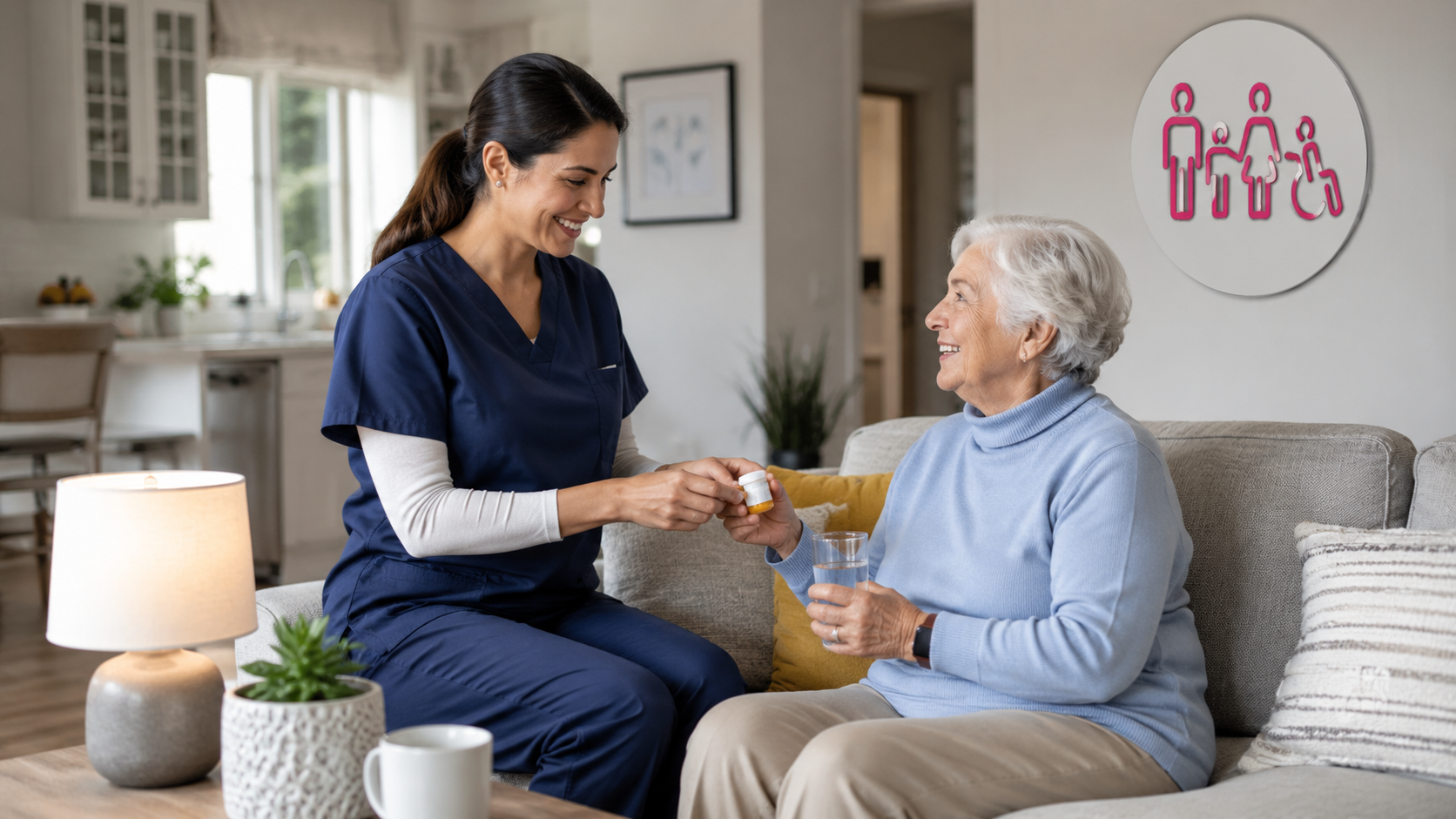
- Medication reminders
- Companionship and emotional support
These services help clients maintain dignity, independence, and a sense of routine.
Who Really Needs These Services?
It’s More Common Than You Think
The answer may surprise you: a wide range of people benefit from home health care solutions. These include:
- Seniors who want to age in place but require assistance with mobility or hygiene.
- Individuals with disabilities who need consistent help with physical tasks.
- Patients recovering from surgery who need temporary daily care.
- Chronic illness sufferers (e.g., Parkinson’s, Alzheimer’s, or arthritis patients).
- Family caregivers who need respite or part-time assistance.
What makes these services unique is how they’re tailored to the individual. No one-size-fits-all solution. Instead, families and agencies work together to design a care plan that fits both needs and budgets.
The Role of Home Health Care Solutions
A Blend of Compassion and Professionalism
Home health care solutions provide the structure and support to deliver personal care safely and effectively. Agencies usually employ trained caregivers or certified nursing assistants who have experience working with elderly or special-needs clients.
Most importantly, these services are brought directly to the person’s home, allowing them to remain in a familiar and comforting environment. This can help reduce stress, anxiety, and even slow cognitive decline in seniors.
Benefits of Personal Care Within Home Health Care Solutions
It’s Not Just About Health It’s About Life
There are plenty of advantages to using home health care solutions that include personal care services:
- Customized Care Plans tailored to the individual’s needs.
- Better quality of life, especially for seniors and those with chronic illnesses.
- Relief for family caregivers, preventing burnout.
- Cost-effective alternatives to assisted living facilities.
- Stronger personal relationships between caregivers and clients.
Emotional and Social Importance
More Than Just a Helping Hand
Personal care isn’t just about hygiene or mobility. It’s about dignity, companionship, and confidence. A caregiver who helps prepare breakfast or takes time to chat with a senior about their day can improve mental well-being just as much as physical health.
This social interaction is something that many people overlook but is deeply needed, especially among aging adults who may live alone.
Choosing the Right Provider for Home Health Care Solutions
What to Look For
When you’re choosing a provider, it’s not enough to pick the first one that pops up in a search. You’ll want to make sure the agency:
- Is fully licensed and insured
- Has good reviews and client testimonials
- Offers flexible and personalized plans
- Trains their staff thoroughly
- Provides clear communication and updates
Take time to interview caregivers and ask about their experience with personal care services. After all, this person will be closely involved in your loved one’s daily routine.
Personal Care Services and Future Trends
In the last few years, the demand for home health care solutions has increased significantly. With tech advances like health monitoring devices and apps, care is getting smarter and more personalized. But at the core, it’s still about people helping people. The future looks bright, but still human.
In 2025, personal care services remain a crucial piece of the puzzle, especially as more families opt for in-home care instead of nursing homes or institutions. With trusted providers and compassionate caregivers, the right support can truly change lives.
Conclusion
Understanding home health care solutions and how personal care services fit into that structure is key to making informed decisions about your loved one’s well-being. These services offer freedom, flexibility, and the personalized attention that many traditional settings just can’t match.
If you’re feeling overwhelmed about what to do next, take a step back, assess your loved one’s needs, and explore local home health providers. The right care delivered the right way can make all the difference.
FAQs About Personal Care Services
1. Are personal care services covered by insurance?
It depends. Some long-term insurance plans and Medicaid programs cover home health care solutions that include personal care. Always check with your provider.
2. Do caregivers have medical training?
Some do, especially Certified Nursing Assistants (CNAs). However, personal care typically doesn’t require medical skills, just training in daily assistance.
3. How often can I schedule care?
Most agencies offer full-time, part-time, or even hourly plans, depending on your needs.
4. Is there a trial period?
Many providers offer trial weeks or flexible contracts so you can test the service before fully committing.